SEO

Optimizing Performance: Taking Supplements as an Athlete
For athletes, peak performance is key, and supplements can play a crucial role. Let's explore how athletes can effectively integrate supplements into their training regimen to enhance performance and support overall health.
Understanding Athletic Needs:
Athletes have unique nutritional needs due to their intense training schedules and physical demands. Supplements can help fill nutritional gaps and support optimal performance and recovery.
Protein Supplements:
Protein is essential for muscle repair and growth, making protein supplements popular among athletes. Whey protein, in particular, is easily digestible and quickly absorbed, making it an ideal choice post-workout.
Creatine Supplementation:
Creatine is a naturally occurring compound that helps produce energy during high-intensity activities like weightlifting and sprinting. Supplementing with creatine can increase muscle mass, strength, and exercise performance.
Electrolyte Replacement:
During intense exercise, electrolytes like sodium, potassium, and magnesium are lost through sweat. Electrolyte supplements help replenish these essential minerals, preventing dehydration and maintaining proper muscle function.
Branch-Chain Amino Acids (BCAAs):
BCAAs, including leucine, isoleucine, and valine, are essential for muscle protein synthesis and energy production. Taking BCAA supplements before or during workouts can reduce muscle fatigue and support recovery.
Omega-3 Fatty Acids:
Omega-3 fatty acids have anti-inflammatory properties and support cardiovascular health. Athletes can benefit from omega-3 supplements to reduce exercise-induced inflammation and promote overall well-being.
Vitamin D Supplementation:
Vitamin D plays a crucial role in muscle function and bone health. Athletes, especially those training indoors or in regions with limited sunlight, may benefit from vitamin D supplements to maintain optimal levels.
Antioxidant Support:
Intense exercise increases oxidative stress in the body, leading to tissue damage and inflammation. Antioxidant supplements like vitamin C, vitamin E, and selenium can help neutralize free radicals and protect against exercise-induced damage.
Hydration Supplements:
Staying hydrated is essential for athletic performance and recovery. Hydration supplements containing electrolytes and carbohydrates can help maintain fluid balance and provide energy during prolonged exercise sessions.
Consultation with a Sports Nutritionist:
Athletes should consult with a sports nutritionist or registered dietitian to develop a personalized supplement plan tailored to their specific needs, training goals, and dietary preferences.
Supplements can be valuable tools for athletes looking to optimize performance and support overall health. By understanding their unique nutritional needs, choosing the right supplements, and seeking guidance from professionals, athletes can maximize their training efforts and achieve peak performance on and off the field.

Choosing the Right Supplements for You: A Simple Guide
Choosing the right supplements can feel overwhelming, but with a few simple steps, you can make informed decisions that support your health goals effectively.
Understand Your Goals:
Begin by identifying your specific health concerns or goals. Whether it's boosting energy, supporting immunity, or improving joint health, knowing what you want to achieve will help you narrow down your options.
Research Ingredients:
Once you've identified your goals, research the key ingredients that address those concerns. Look for ingredients backed by scientific evidence for their effectiveness and safety in achieving your desired outcomes.
Consider Your Lifestyle:
Take into account your lifestyle, dietary habits, and any existing health conditions or medications you may be taking. This will help you choose supplements that complement your lifestyle and work well with your body's needs.
Assess Quality and Purity:
Choose supplements from reputable brands that prioritize quality and purity. Look for products that have undergone third-party testing and are free from unnecessary fillers, additives, and allergens.
Check Dosages and Forms:
Pay attention to dosage recommendations and the form of the supplement. Some nutrients are better absorbed in certain forms, so opt for supplements that offer the most bioavailable forms for maximum efficacy.
Seek Professional Advice:
If you're unsure about which supplements are right for you or if you have specific health concerns, consult with a healthcare professional or registered dietitian. They can provide personalized recommendations based on your individual needs and health history.
Start Slowly and Monitor Effects:
When introducing a new supplement into your routine, start with a low dose and gradually increase as needed. Pay attention to how your body responds and any changes in your health or well-being.
Stay Consistent:
Consistency is key when it comes to supplements. Incorporate them into your daily routine and take them as directed to experience the full benefits over time.
Reevaluate Periodically:
Periodically reassess your supplement regimen to ensure it continues to meet your needs. Adjustments may be necessary as your health goals change or new research emerges.
Listen to Your Body:
Above all, listen to your body. Pay attention to how you feel and trust your instincts. If a supplement doesn't seem to agree with you or if you're not experiencing the desired benefits, it may be time to explore other options.
Choosing the right supplements is a personal journey that requires careful consideration and attention to detail. By understanding your goals, researching ingredients, considering your lifestyle, and seeking professional advice when needed, you can make informed choices that support your health and well-being effectively.

Supplement Spotlight: Exploring the Benefits of Herbal Extracts for Holistic Wellness
Herbal extracts offer holistic health benefits dating back centuries. Let's delve into their advantages for overall well-being.
Turmeric Extract:- Anti-inflammatory properties aid joint health and immunity.
Ginkgo Biloba Extract: Enhances memory, focus, and cognitive health.
Echinacea Extract: Boosts immune system, fighting off colds and flu.
Ashwagandha Extract: Relieves stress, promoting relaxation and balance.
Milk Thistle Extract: Supports liver function and detoxification.
Rhodiola Rosea Extract: Adaptogen for stress resilience, energy, and mental clarity.
Green Tea Extract: Rich in antioxidants, promoting heart health and weight management.
Garlic Extract: Boosts immunity and cardiovascular health.
Ginseng Extract: Adaptogen for energy and vitality.
Saw Palmetto Extract: Supports prostate health and urinary function.
Incorporating herbal extracts into your daily routine offers a natural path to holistic wellness. From immune support to stress relief and beyond, these extracts provide diverse benefits for mind, body, and spirit. Embrace the power of nature to enhance your overall health and vitality.
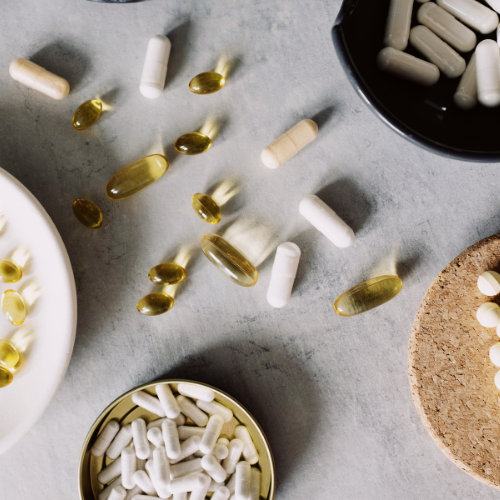
Essential Vitamins and Minerals Your Body Needs and How to Get Them Through Supplements
Vitamins and minerals are crucial for our bodies' functions, but sometimes, our diets lack them. Let's explore these essentials and how supplements can help.
Vitamin A:
Supports vision, immunity, and cell growth. Found in carrots, sweet potatoes, and spinach. Supplements ensure adequate intake.
Vitamin B:
Important for energy, brain function, and red blood cells. Look for B-complex supplements for comprehensive coverage.
Vitamin C:
Boosts immunity and collagen production. Found in oranges, strawberries, and peppers. Supplements are beneficial, especially in cold seasons.
Vitamin D:
Essential for bones, mood, and immunity. Supplements are vital, especially with limited sun exposure.
Vitamin E:
Acts as an antioxidant. Found in almonds, sunflower seeds, and spinach. Supplementation may be necessary for optimal intake.
Vitamin K:
Critical for blood clotting and bone health. Found in leafy greens. Supplements may be needed for some.
Calcium:
Necessary for bones, nerves, and muscles. Found in dairy and leafy greens. Supplements may be necessary for some individuals.
Iron:
Crucial for oxygen transport. Found in red meat and beans. Supplements are vital for certain groups like vegetarians.
Magnesium:
Essential for energy and muscle function. Found in nuts and whole grains. Supplements may be needed for some.
Zinc:
Supports immune function and wound healing. Found in oysters and legumes. Supplements may be necessary for certain populations.
Essential vitamins and minerals are vital for overall health. Supplements can bridge dietary gaps, but consult a healthcare provider for personalized advice. Choose reputable supplements for safety and efficacy.

The Vital Role of Sleep in Your Wellness Journey
In the hustle and bustle of daily life, sleep often takes a backseat. However, its importance cannot be overstated. Quality sleep is essential for our overall health and well-being. Let's delve into why prioritizing sleep is crucial for a healthier, happier you.
Sleep Restores Your Body: During sleep, your body undergoes crucial repair processes. Muscles are repaired, tissues are regenerated, and hormones are balanced, aiding in recovery from daily wear and tear.
Supports Brain Function: Sleep plays a vital role in cognitive function and emotional well-being. It enhances memory consolidation, learning, and problem-solving skills, ensuring you wake up refreshed and mentally sharp.
Regulates Hormones: Adequate sleep regulates hormones that control appetite and metabolism. Lack of sleep disrupts these hormones, leading to increased hunger, cravings for unhealthy foods, and weight gain.
Strengthens Immune System: Quality sleep is essential for a robust immune system. During sleep, your body produces cytokines, proteins crucial for fighting infection and inflammation, helping you stay healthy and resilient.
Enhances Mood and Emotional Health: A good night's sleep is linked to improved mood and emotional stability. Sleep deprivation, on the other hand, can exacerbate stress, anxiety, and irritability, impacting your overall mental health.
Boosts Physical Performance: Whether you're an athlete or simply enjoy staying active, sleep is vital for optimal physical performance. It enhances energy levels, coordination, and reflexes, improving your overall athletic performance.
Supports Heart Health: Prioritizing sleep is key to maintaining a healthy heart. Quality sleep regulates blood pressure and reduces the risk of heart disease, stroke, and other cardiovascular conditions.
Promotes Healthy Aging: Quality sleep is associated with a longer lifespan and healthier aging. It supports cellular repair and regeneration, reducing the risk of age-related diseases and cognitive decline.
Improves Skin Health: Beauty sleep is more than just a saying – it's backed by science. During sleep, your body repairs and rejuvenates skin cells, promoting a glowing complexion and reducing signs of aging.
Enhances Quality of Life: Ultimately, prioritizing sleep leads to a better quality of life. From improved productivity and focus to better relationships and overall happiness, quality sleep is the foundation of a healthier, more fulfilling life.
Sleep is not a luxury but a necessity for optimal health and well-being. By recognizing its importance and making sleep a priority in your daily routine, you can reap the numerous benefits it offers, leading to a happier, healthier you. So, tonight, give yourself the gift of quality sleep – your body and mind will thank you for it.

Decoding HIIT: The Benefits of High-Intensity Interval Training
High-Intensity Interval Training (HIIT) has emerged as a powerhouse in the fitness world, captivating the attention of both seasoned athletes and fitness enthusiasts alike. Its reputation for delivering efficient and effective workouts has made HIIT a go-to choice for those seeking time-efficient yet impactful exercise routines. Let's delve into the world of HIIT and uncover the numerous benefits it brings to the table.
1. Efficient Calorie Burn
One of the standout features of HIIT is its ability to torch calories in a short amount of time. The alternating cycles of intense exercise and brief rest periods elevate your heart rate, leading to an increased calorie burn during and after the workout. This "afterburn" effect, scientifically known as excess post-exercise oxygen consumption (EPOC), can contribute to continued calorie expenditure for hours post-exercise.
2. Time-Saving Workouts
In our fast-paced lives, time is a precious commodity. HIIT provides a solution for individuals with busy schedules, as it delivers significant fitness benefits in a short amount of time. With sessions typically ranging from 15 to 30 minutes, HIIT allows you to achieve maximum results without spending hours at the gym.
3. Improved Cardiovascular Health
HIIT doesn't just elevate your heart rate; it also enhances cardiovascular health. The intense bursts of activity followed by brief recovery periods improve heart health, increase aerobic capacity, and enhance overall cardiovascular function. Incorporating HIIT into your routine can lead to better endurance and a healthier heart.
4. Fat Loss and Muscle Retention
HIIT has proven effective in reducing body fat while preserving lean muscle mass. The combination of intense bursts of exercise and short rest periods stimulates fat burning, and the metabolic adaptations triggered by HIIT can contribute to long-term fat loss. Additionally, the preservation of muscle mass is essential for a toned and defined physique.
5. Metabolic Boost
HIIT has a unique ability to boost your metabolism, leading to increased calorie burn even at rest. This is particularly beneficial for individuals aiming to lose weight or maintain a healthy body composition. The metabolic enhancements induced by HIIT can contribute to ongoing fat loss and improved metabolic health.
6. Adaptability for All Fitness Levels
One of the beauties of HIIT is its adaptability to different fitness levels. Whether you're a beginner or an advanced athlete, HIIT workouts can be tailored to suit your capabilities. Modifications in intensity, duration, and exercise selection make HIIT accessible to a wide range of individuals looking to challenge themselves.
7. Varied and Engaging Workouts
Boredom is often a deterrent to consistent exercise. HIIT keeps workouts exciting and engaging by incorporating a variety of exercises and formats. From bodyweight exercises to using equipment like kettlebells and jump ropes, the versatility of HIIT workouts ensures that you never have to endure the monotony of a repetitive routine.
Unlocking the Power of HIIT
As we decode the benefits of High-Intensity Interval Training, it becomes evident that HIIT is not just a trend; it's a scientifically-backed and time-efficient approach to achieving fitness goals. Whether your aim is to improve cardiovascular health, burn calories, or enhance overall fitness, HIIT offers a multifaceted solution.
Consider incorporating HIIT into your fitness routine and experience the transformative effects of these efficient and powerful workouts. The key to unlocking the power of HIIT lies in consistency, intensity, and a commitment to challenging your limits.

Fitness Trends 2024: What's Hot in the World of Health and Exercise
As we step into 2024, the world of health and fitness is evolving with new trends, innovations, and exciting approaches to exercise. Whether you're a seasoned fitness enthusiast or just starting your wellness journey, staying informed about the latest trends can add a fresh and dynamic touch to your fitness routine. Let's explore what's hot in the world of health and exercise for 2024.
1. Virtual Fitness Experiences
With the continued rise of technology, virtual fitness experiences are taking center stage. From virtual reality (VR) workouts to interactive online classes, fitness enthusiasts can now engage in immersive and personalized exercise sessions from the comfort of their homes. Look out for apps and platforms that bring the gym to your living room with virtual trainers and real-time feedback.
2. Functional Fitness Integration
Functional fitness is not a new concept, but it's gaining even more traction in 2024. The focus is on exercises that mimic real-life movements, enhancing strength, flexibility, and balance. Workouts centered around functional fitness help individuals build practical strength that translates into improved daily activities.
3. Wearable Fitness Technology Advancements
Wearable technology continues to evolve, offering more sophisticated features to track and enhance fitness journeys. From smartwatches with advanced health monitoring capabilities to fitness trackers that analyze your every move, these gadgets provide real-time insights, motivation, and data-driven feedback to optimize your workouts.
4. Mind-Body Connection Practices
In 2024, there's a growing emphasis on the mind-body connection in fitness routines. Practices like yoga, Pilates, and meditation are not only seen as physical exercises but also as tools for mental well-being. Incorporating mindfulness into workouts is becoming a key trend, with a focus on holistic health.
5. Eco-Friendly Fitness Initiatives
With an increased awareness of sustainability, eco-friendly fitness initiatives are gaining popularity. From gym equipment made with sustainable materials to fitness events supporting environmental causes, the fitness industry is aligning with eco-conscious values. Look for fitness brands and facilities that prioritize environmental responsibility.
6. Group Fitness Evolution
Group fitness classes are evolving beyond traditional formats. In 2024, expect to see more specialized and niche group workouts catering to specific interests and fitness levels. Whether it's dance-based cardio, high-intensity team challenges, or mindful movement groups, the options for group fitness are becoming more diverse.
7. Recovery-Centric Training
The importance of recovery is taking center stage in fitness routines. From advanced recovery technologies to specialized classes focusing on flexibility and restoration, fitness enthusiasts are recognizing the significance of allowing the body to recover and regenerate for optimal performance.
Embrace the Future of Fitness
As we navigate the exciting landscape of fitness trends in 2024, there's a trend for everyone, regardless of fitness levels or preferences. Whether you're drawn to the tech-driven experiences of virtual fitness or the mindful practices of yoga, exploring these trends can breathe new life into your health and exercise journey.
Stay tuned, stay active, and embrace the future of fitness in 2024 – where health, technology, and sustainability converge to create a dynamic and holistic approach to well-being.

Unlock Your Potential: The Importance of Taking Supplements
In our journey towards a healthier life, supplements play a crucial role. Discover the key reasons why incorporating supplements into your routine can make a significant difference in your well-being.
Boost Nutrient Intake:
Supplements are a convenient way to fill nutritional gaps in your diet. They provide essential vitamins and minerals that may be lacking in the foods we eat, ensuring your body gets what it needs to function at its best.
Support Immune Health:
- Taking supplements can give your immune system a helping hand. Essential nutrients like vitamin C, zinc, and antioxidants contribute to a strong defense against illnesses, helping you stay on top of your game.
Enhance Energy Levels:
- Feel sluggish or fatigued? Supplements can be a source of energy-boosting nutrients, such as B-vitamins and iron. Say goodbye to midday slumps and hello to sustained vitality.
Promote Bone Health:
- Calcium and vitamin D supplements are vital for maintaining strong and healthy bones. Whether you're young or young at heart, these supplements contribute to bone density and overall skeletal well-being.
Improve Mental Clarity:
- Certain supplements, like omega-3 fatty acids and B-vitamins, are linked to improved cognitive function. Sharpen your focus and support your mental clarity with the right supplements.
Aid in Digestive Wellness:
- Probiotic supplements can promote a healthy gut microbiome, supporting digestion and nutrient absorption. A happy gut often translates to a happier, healthier you.
Speed Up Workout Recovery:
- For those hitting the gym or engaging in physical activities, supplements like protein powders and branched-chain amino acids (BCAAs) aid in muscle recovery and growth, helping you get back to your fitness routine faster.
Combat Vitamin Deficiencies:
- In some cases, our bodies may struggle to absorb certain vitamins from food alone. Supplements provide a reliable source, preventing deficiencies that could impact your health over time.
Manage Stress and Sleep:
- Adaptogens and certain herbal supplements can assist in managing stress, promoting relaxation, and improving sleep quality. Achieve a more balanced and rejuvenating lifestyle with the right support.
Tailored to Your Needs:
- Supplements are not one-size-fits-all. They can be tailored to your specific health goals and requirements, ensuring you get the precise nutrients your body needs for optimal performance.
Taking supplements isn't just a trend; it's a smart choice for anyone looking to take control of their health. From filling nutrient gaps to supporting immune function and beyond, these small additions to your routine can lead to big improvements in your overall well-being. Start unlocking your potential today by making supplements a simple and effective part of your daily life. Prioritizing your health is essential, and when considering changes to your diet or introducing new supplements, remember to consult with a qualified health professional. They can provide personalized advice based on your unique health profile, ensuring that any dietary adjustments align with your individual needs and goals. Your well-being is a priority, and professional guidance ensures a safe and effective journey towards a healthier lifestyle.
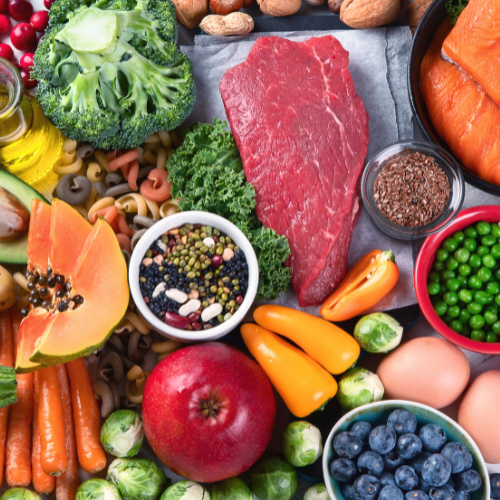
Use These Foods to Help You Through Your Weight Loss Journey
Embarking on a weight loss journey requires a holistic approach that goes beyond just shedding pounds. Prioritizing your overall well-being is key, and one effective way to support your weight loss goals is by incorporating nutrient-rich superfoods into your diet. In this article, we'll explore the top 10 superfoods that not only aid in weight loss but also contribute to a healthy and resilient immune system.
- Avocado:
Avocados are a nutritional powerhouse, rich in healthy monounsaturated fats. These fats promote satiety, helping you feel fuller for longer periods, and can aid in weight management. Additionally, avocados contain vitamins and antioxidants that support immune health.
- Blueberries:
Known for their color and delicious taste, blueberries are packed with antioxidants that combat oxidative stress. Their low calorie and high fiber content make them an excellent choice for weight-conscious individuals, while the antioxidants contribute to overall health.
- Lean Proteins:
Incorporating lean proteins like chicken, turkey, or tofu into your meals is essential for weight loss. Proteins help build and repair tissues, boost metabolism, and provide a feeling of fullness, reducing the likelihood of overeating.
- Spinach:
Leafy greens, especially spinach, are low in calories and high in nutrients. Rich in vitamins, minerals, and antioxidants, spinach supports weight loss while contributing to a strong immune system.
- Greek Yogurt:
Greek yogurt is a protein-packed snack that can aid in weight loss by promoting fullness and reducing overall calorie intake. The probiotics in yogurt also contribute to a healthy gut, supporting your immune system.
- Quinoa:
As a whole grain, quinoa is a nutritious alternative to refined grains. High in fiber and protein, it helps regulate blood sugar levels, promoting a steady energy supply for your weight loss journey.
- Broccoli:
Low in calories and high in fiber, broccoli is an excellent choice for weight management. Its nutrient density supports overall health, and it contains immune-boosting compounds to keep you well-rounded on your wellness journey.
- Chia Seeds:
Chia seeds are rich in fiber and healthy fats, promoting a feeling of fullness. They can be a valuable addition to your weight loss plan by helping control cravings and supporting digestive health.
- Lean Fish (e.g., Cod or Tilapia):
Lean fish is a great source of high-quality protein and omega-3 fatty acids. These healthy fats aid in weight loss and contribute to anti-inflammatory responses, supporting your immune system.
- Cauliflower:
Cauliflower is a versatile vegetable that can be a low-calorie substitute for higher-carb options. It's rich in vitamins and antioxidants, making it a valuable addition to your weight loss and immune-boosting journey.
Incorporating these superfoods into your daily meals can significantly contribute to your weight loss journey while fortifying your immune system. Remember to maintain a well-rounded diet, stay hydrated, and engage in regular physical activity for overall health and wellness. Give your body the support it needs, and watch as you achieve your weight loss goals with enhanced resilience against various health challenges.

Building Strength: A Beginner's Guide to Gaining Lean Muscle Mass
For those stepping into the world of fitness, the journey to building lean muscle mass might seem like a daunting task. However, with the right approach, dedication, and a focus on key principles, anyone can embark on a successful muscle-building journey. In this article, we'll explore a beginner's guide to gaining lean muscle mass.
1. Establish Clear Goals
Before diving into a muscle-building routine, define your goals. Whether it's gaining overall strength, sculpting specific muscle groups, or enhancing athletic performance, having a clear objective will guide your training and nutrition plan.
2. Start with Compound Exercises
Focus on compound exercises that target multiple muscle groups simultaneously. These include squats, deadlifts, bench presses, and overhead presses. Compound movements are efficient for overall muscle development and strength building.
3. Lift Progressive Loads
To stimulate muscle growth, gradually increase the weights you lift over time. Progressive overload is a fundamental principle that challenges your muscles, prompting them to adapt and grow stronger. Keep a log of your lifts to track your progress.
4. Prioritize Protein Intake
Protein is essential for muscle repair and growth. Aim for a protein-rich diet with sources like lean meats, poultry, fish, eggs, dairy, and plant-based options. Consuming protein within 30 minutes of your workout can enhance muscle protein synthesis.
5. Fuel Your Body with Nutrient-Rich Foods
Ensure your diet includes a variety of nutrient-dense foods. Carbohydrates provide energy for workouts, healthy fats support overall health, and vitamins and minerals contribute to optimal bodily functions.
6. Practice Consistency
Consistency is key in any fitness journey. Stick to a regular workout schedule and make gradual adjustments to your routine as you progress. Building lean muscle mass is a gradual process that requires dedication over time.
7. Allow for Adequate Rest and Recovery
Muscles need time to repair and grow. Ensure you get sufficient sleep and incorporate rest days into your routine. Overtraining can hinder progress, so listen to your body and prioritize recovery.
8. Stay Hydrated
Hydration is crucial for overall health and performance. Water plays a role in nutrient transport, temperature regulation, and joint lubrication. Aim to drink an adequate amount of water throughout the day.
9. Consider Professional Guidance
If you're new to weight training, consider seeking guidance from a fitness professional or personal trainer. They can help design a tailored program, teach proper form, and provide valuable insights into nutrition.
10. Monitor and Adjust
Regularly assess your progress and be willing to adjust your training and nutrition plan accordingly. What works for one person may not work for another, so be open to making personalized adjustments.
Building lean muscle mass is a rewarding journey that requires patience and dedication. By following these beginner-friendly tips, you'll be well on your way to achieving your muscle-building goals and enjoying the many benefits of a strong, resilient body.

Fueling Your Fitness: Nutrition Tips for Pre and Post-Workout Meals
Whether you're a seasoned athlete or just starting your fitness journey, understanding the importance of nutrition around your workouts is key to maximizing performance and recovery. In this article, we'll explore effective nutrition tips for both pre and post-workout meals to ensure you get the most out of your training sessions.
Pre-Workout Nutrition
1. Balanced Macronutrients:
Before hitting the gym, aim for a balanced meal that includes carbohydrates, protein, and a moderate amount of healthy fats. Carbs provide energy, while protein supports muscle function and repair.
2. Timing Matters:
Consume your pre-workout meal 1-2 hours before exercising. This allows your body to digest and absorb the nutrients, providing sustained energy throughout your workout.
3. Hydration is Key:
Ensure you're well-hydrated before exercising. Dehydration can lead to fatigue and decreased performance. Drink water or a sports drink to maintain optimal hydration levels.
4. Example Pre-Workout Meal:
- Grilled chicken breast
- Quinoa
- Steamed vegetables
- A small serving of olive oil for healthy fats
Post-Workout Nutrition
1. Protein for Recovery:
After your workout, prioritize protein to aid in muscle recovery. Include a source of high-quality protein such as lean meats, eggs, or a protein shake.
2. Carbohydrates to Replenish Glycogen:
Replenish glycogen stores by consuming carbohydrates post-workout. Opt for complex carbs like sweet potatoes, brown rice, or whole-grain bread.
3. Hydrate and Replace Electrolytes:
Rehydrate with water and consider a sports drink if your workout was intense, as it helps replace electrolytes lost through sweat.
4. Timing is Crucial:
Aim to eat a post-workout meal or snack within 30-60 minutes after exercising. This is when your body is most receptive to nutrient absorption and muscle repair.
5. Example Post-Workout Snack:
- Greek yogurt with berries
- Whole-grain toast
- A handful of almonds
Additional Tips:
-
Listen to Your Body: Everyone's nutritional needs are different. Pay attention to how your body responds to different foods and adjust accordingly.
-
Avoid Heavy, High-Fat Meals: These can slow digestion and may lead to discomfort during your workout.
-
Consider Supplements: If needed, supplements like BCAAs (Branched-Chain Amino Acids) or creatine can support your fitness goals.
By optimizing your pre and post-workout nutrition, you provide your body with the necessary fuel for energy, performance, and recovery. Remember, consistency is key, and making these nutritional adjustments can positively impact your fitness journey.
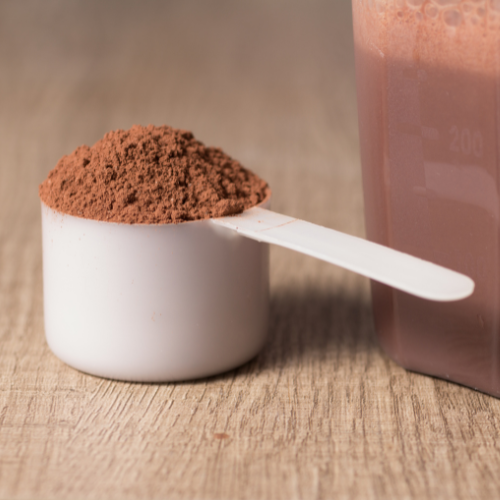
Powering Up: The Crucial Role of Protein in Muscle Recovery and Growth
For fitness enthusiasts and athletes alike, understanding the importance of protein in the realm of muscle recovery and growth is paramount. Protein is not just a building block; it's the key to unlocking your body's full potential. In this article, we'll delve into the critical role of protein and how it contributes to muscle recovery and growth.
The Building Blocks of Muscles: A Protein Perspective
Muscles are composed of protein fibers, and when we engage in physical activity, these fibers undergo stress and micro-tears. Protein comes into play as the essential nutrient responsible for repairing and rebuilding these damaged muscle tissues.
Protein's Role in Muscle Recovery
- Repair and Regeneration: After a workout, especially strength training, protein aids in the repair and regeneration of muscle fibers. This process is crucial for preventing injury and promoting overall muscle health.
- Reducing Inflammation: Protein has anti-inflammatory properties, which can help reduce exercise-induced inflammation. This, in turn, accelerates the recovery process, allowing you to bounce back faster for your next workout.
- Optimizing Nutrient Transport: Protein facilitates the transport of nutrients, including amino acids, to muscle cells. This optimized nutrient delivery ensures that muscles receive the necessary components for growth and repair.
Protein's Role in Muscle Growth
- Amino Acid Synthesis: Proteins are made up of amino acids, often referred to as the building blocks of the body. Consuming an adequate amount of protein provides the amino acids necessary for synthesizing new muscle tissue, promoting growth.
- Hormonal Regulation: Protein intake influences the release of hormones like insulin and growth hormone, both of which play crucial roles in muscle growth. Ensuring a consistent protein supply supports optimal hormonal balance.
- Muscle Protein Synthesis: Consuming protein triggers muscle protein synthesis, the process by which the body builds new proteins to repair and grow muscle tissue. This is a key mechanism for enhancing muscle mass.
Optimizing Protein Intake for Maximum Benefits
- Timing Matters: Consume protein-rich meals or snacks within the post-workout window to maximize muscle recovery. This is when your muscles are most receptive to nutrient absorption.
- Diverse Protein Sources: Incorporate a variety of protein sources into your diet, including lean meats, poultry, fish, dairy, legumes, and plant-based options. This ensures a well-rounded amino acid profile.
- Supplementation: Consider protein supplements, such as whey protein, for a convenient and efficient way to meet your protein requirements, especially on busy days.
In conclusion, protein is a powerhouse when it comes to muscle recovery and growth. By prioritizing protein intake and understanding its role in the intricate process of muscle repair and synthesis, you can optimize your fitness journey and achieve your strength and physique goals.
Remember, each person's protein needs may vary, so it's essential to tailor your intake based on your specific fitness goals, activity levels, and dietary preferences.

Energize Your Day: 7 Quick and Healthy Breakfast Ideas for Busy Mornings
In the hustle and bustle of our daily lives, breakfast often takes a backseat. However, starting your day with a nutritious meal is crucial for sustained energy and overall well-being. If you find yourself short on time in the morning, here are 7 quick and healthy breakfast ideas to kickstart your day on a positive note.
1. Overnight Oats with Fresh Fruit
Prepare a jar of overnight oats the night before by combining rolled oats, milk (or a dairy-free alternative), and your favorite fruits. In the morning, grab and go for a tasty, nutrient-packed breakfast.
2. Greek Yogurt Parfait
Layer Greek yogurt with granola, fresh berries, and a drizzle of honey. This parfait is not only delicious but also provides a good balance of protein, fiber, and antioxidants.
3. Avocado Toast with Poached Egg
Spread mashed avocado on whole-grain toast and top it with a perfectly poached egg. This combination offers a mix of healthy fats, protein, and complex carbohydrates.
4. Smoothie Bowl
Blend your favorite fruits, greens, and a scoop of protein powder into a thick smoothie. Pour it into a bowl and add toppings like nuts, seeds, and sliced fruits for added crunch and flavor.
5. Whole Grain Waffles with Nut Butter
Opt for whole grain waffles and spread them with almond or peanut butter. This simple yet satisfying breakfast provides a good dose of fiber and healthy fats.
6. Vegetable Omelette Wrap
Whisk eggs and cook them with diced vegetables like bell peppers, spinach, and tomatoes. Place the omelette in a whole-grain wrap for a protein-packed, portable breakfast.
7. Chia Seed Pudding
Combine chia seeds with milk (or a plant-based alternative) and let it sit overnight. In the morning, top the pudding with fresh fruit for a nutrient-rich, energy-boosting breakfast.
Remember to customize these ideas based on your preferences and dietary needs. These quick breakfast options not only save you time but also set a positive tone for the rest of your day.
Incorporating a balanced breakfast into your routine doesn't have to be a challenge. With these quick and healthy ideas, you can ensure that your mornings are filled with the energy and nutrients your body needs to thrive.
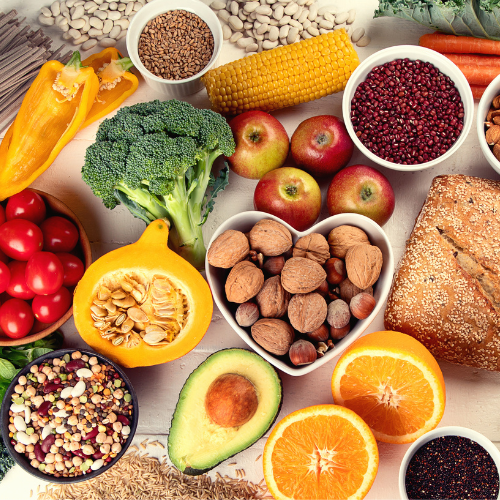
Boost Your Immune System With These 10 Superfoods
Maintaining a robust immune system is crucial for overall well-being, especially in today's fast-paced world. One effective way to support your immune health is by incorporating nutrient-rich superfoods into your diet. In this article, we'll explore the top 10 superfoods that can give your immune system the boost it needs.
1. Citrus Fruits
Citrus fruits like oranges, grapefruits, and lemons are rich in vitamin C, a powerful antioxidant known for its immune-boosting properties. Including these fruits in your daily diet can help enhance your body's natural defense mechanisms.
2. Berries
Berries such as blueberries, strawberries, and raspberries are packed with antioxidants and vitamins. These superfoods can contribute to a strong immune system while adding a burst of flavor to your meals or snacks.
3. Garlic
Garlic is not only a fantastic addition to various dishes but also offers immune-boosting benefits. It contains allicin, a compound with antimicrobial properties that can help fend off illnesses.
4. Turmeric
Known for its anti-inflammatory properties, turmeric can play a key role in supporting immune health. Incorporate this spice into your meals or try turmeric-infused teas for an extra immunity boost.
5. Leafy Greens
Leafy greens like spinach, kale, and Swiss chard are rich in vitamins, minerals, and antioxidants. They provide a solid foundation for overall health, including immune system support.
6. Yogurt
Probiotics found in yogurt contribute to a healthy gut, which is closely linked to immune function. Opt for plain, low-fat yogurt to avoid added sugars and enjoy the benefits of a balanced gut microbiome.
7. Almonds
Almonds are a great source of vitamin E, an antioxidant that plays a key role in maintaining immune function. Snack on a handful of almonds to give your immune system a nutrient boost.
8. Green Tea
Green tea is rich in flavonoids, which are antioxidants that may help enhance immune function. Swap your regular beverage for a cup of green tea to reap its immune-boosting benefits.
9. Salmon
Fatty fish like salmon are high in omega-3 fatty acids, which have anti-inflammatory properties. Including salmon in your diet can contribute to a well-balanced immune system.
10. Sweet Potatoes
Packed with beta-carotene, sweet potatoes can support the production of vitamin A in the body. Vitamin A is essential for maintaining healthy skin and mucous membranes, acting as a barrier against infections.
Incorporating these superfoods into your daily meals can go a long way in fortifying your immune system. Remember to maintain a well-rounded diet, stay hydrated, and engage in regular physical activity for overall health and wellness.
Give your immune system the support it deserves by making these superfoods a staple in your nutrition plan. Your body will thank you with enhanced resilience against various illnesses.